
As space becomes more valuable and business operations grow increasingly dynamic, renting storage space has emerged as a practical and flexible solution for both individuals and companies. Whether you are managing excess inventory, expanding your business, relocating, or simply running out of space, storage space for rent offers a cost-effective alternative to owning or building storage facilities.
However, not all storage solutions are created equal. Understanding what storage space for rent includes, how it works, and what factors to consider before choosing a provider is essential to making the right decision. This guide walks you through everything businesses and individuals need to know to select the most suitable storage solution.
What Is Storage Space for Rent?
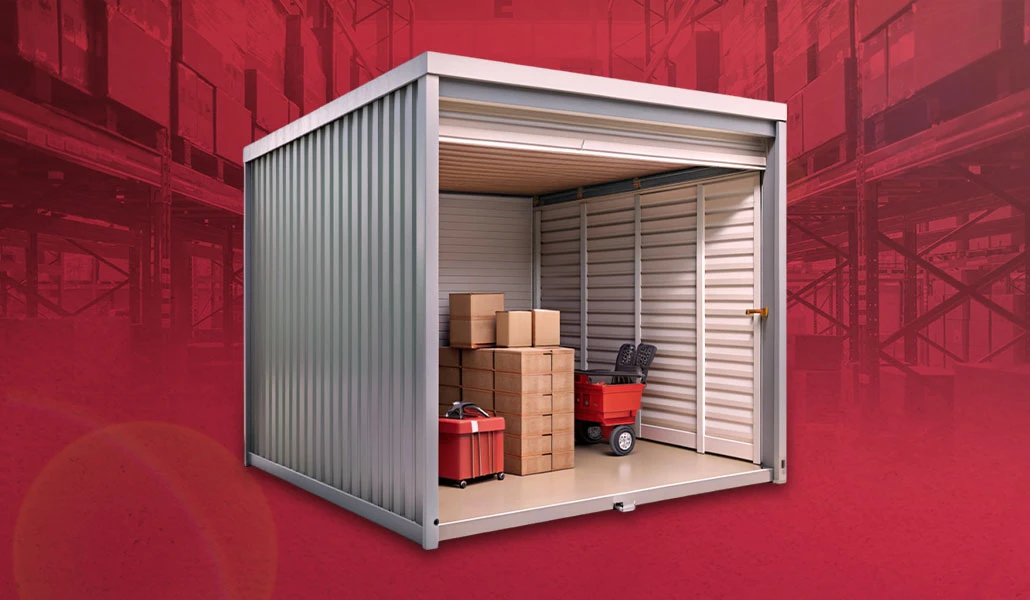
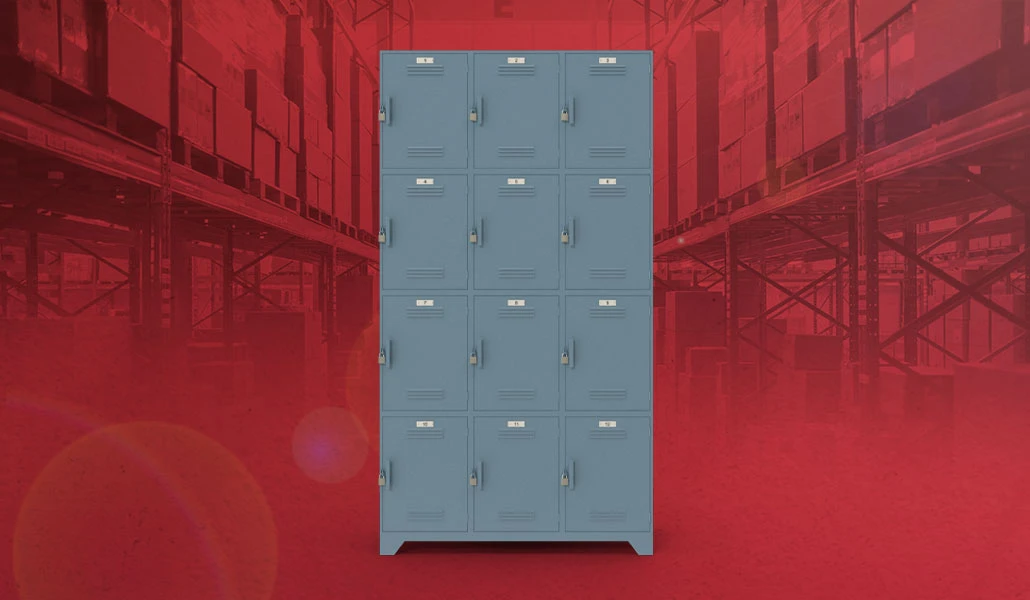
Storage space for rent refers to secure, designated areas offered by specialized providers for temporary or long-term storage. These spaces are leased on flexible terms and are designed to accommodate a wide range of storage needs without the responsibilities of ownership or facility management.
Storage spaces can be used for:
- Personal belongings
- Business inventory
- Equipment and tools
- Documents and records
- Seasonal or overflow stock
Unlike owning storage facilities, renting allows users to scale space up or down based on actual demand.
Who Needs Storage Space for Rent?
Storage space rental serves a broad audience across multiple industries and personal use cases. It is particularly valuable when flexibility and efficiency are priorities.
Common users include:
- Individuals during relocation or renovation
- Small and medium-sized businesses
- E-commerce stores managing fluctuating inventory
- Startups with limited office space
- Companies storing promotional materials or equipment
The adaptability of rented storage space makes it suitable for both short-term needs and long-term operational support.
Key Benefits of Renting Storage Space
One of the main reasons storage space for rent has become popular is its balance between affordability and convenience.
Key benefits include:
- No large upfront investment
- Flexible rental durations
- Scalable space options
- Reduced operational and maintenance costs
- Professional security and facility management
For businesses, this translates into improved cash flow and the ability to focus on growth rather than infrastructure.
Types of Storage Space for Rent
Storage space comes in various forms, each designed to meet specific requirements. Choosing the right type ensures efficiency and cost control.
General Storage Space
Suitable for non-sensitive items such as furniture, retail products, boxes, and equipment. This is the most common and cost-effective option.
Climate-Controlled Storage
Designed for items affected by temperature or humidity, such as electronics, documents, cosmetics, or certain consumer goods.
Business and Inventory Storage
Optimized for commercial use, often offering pallet access, organized layouts, and compatibility with inventory management systems.
Understanding your storage requirements helps prevent overpaying for unnecessary features.
How Secure Is Rented Storage Space?
Security is a critical concern when renting storage space. Reputable providers invest in comprehensive security systems to protect stored items.
Typical security measures include:
- 24/7 video surveillance
- Controlled access systems
- Individual unit locks
- Fire detection and suppression systems
- On-site security or monitoring
Before committing, it is important to verify which security features are included and whether additional protection is available.
Accessibility and Location Considerations
Accessibility plays a major role in determining how practical a storage solution will be for daily operations or personal use.
Key factors to consider:
- Access hours (standard or 24/7)
- Ease of loading and unloading
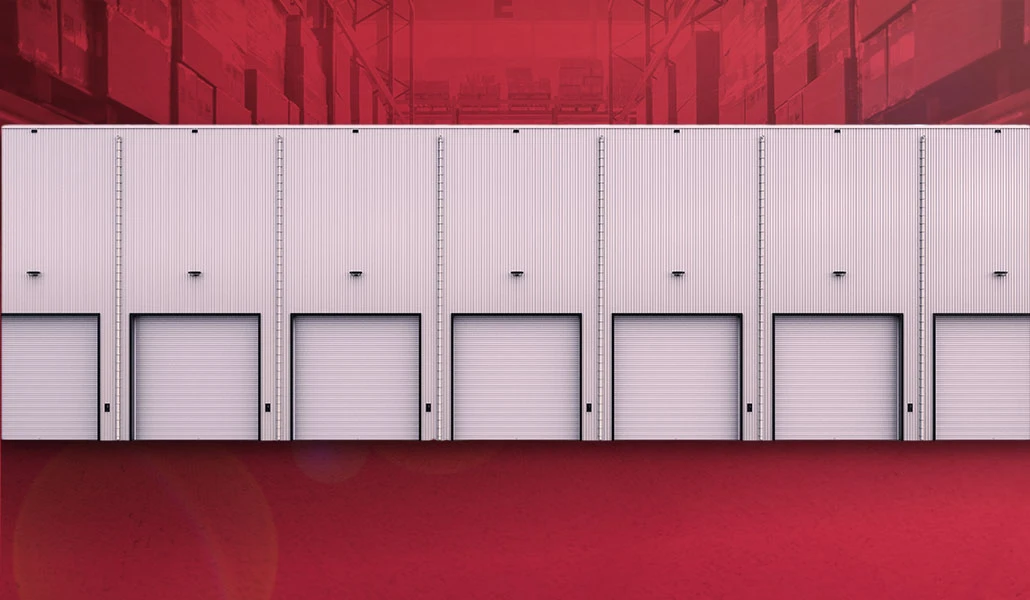
- Availability of parking or loading docks
- Proximity to your home or business
A conveniently located storage space can significantly reduce transportation time and costs.
Cost Structure of Storage Space for Rent
The cost of renting storage space varies depending on several factors, and understanding these helps avoid unexpected expenses.
Pricing is typically influenced by:
- Size of the storage space
- Location of the facility
- Type of storage (standard or climate-controlled)
- Rental duration
- Additional services or insurance
Most providers offer monthly pricing, making it easier to manage budgets compared to long-term warehouse leases.
Short-Term vs Long-Term Storage Space Rental
Choosing between short-term and long-term rental depends on the nature of your storage needs.
Short-Term Storage
Ideal for temporary situations such as moving, renovations, events, or seasonal inventory.
Long-Term Storage
Best suited for ongoing business operations, archive storage, or consistent inventory needs.
Understanding your timeline allows you to choose the most cost-effective and flexible option.
What to Look for Before Renting Storage Space
Not all storage providers offer the same level of service or reliability. Evaluating a provider before signing an agreement is essential.
Important criteria include:
- Facility cleanliness and maintenance
- Transparency in pricing
- Security standards
- Contract flexibility
- Customer support responsiveness
- Reputation and reviews
A professional provider should clearly outline terms, services, and responsibilities from the beginning.
Common Mistakes to Avoid When Renting Storage Space
Many individuals and businesses make avoidable mistakes that lead to inefficiencies or higher costs.
Common mistakes include:
- Renting more space than needed
- Choosing the cheapest option without checking security
- Ignoring access limitations
- Overlooking contract terms
- Failing to plan for future growth
Avoiding these pitfalls ensures a smoother and more efficient storage experience.
When Is Storage Space for Rent the Right Choice?
Renting storage space becomes the ideal solution when:
- Space constraints limit productivity
- Inventory levels fluctuate frequently
- Long-term facility ownership is unnecessary
- Flexibility and scalability are required
- Cost efficiency is a priority
For many businesses and individuals, storage space for rent offers the perfect balance between control, convenience, and affordability.
Storage space for rent is no longer just an option for extra space—it is a strategic solution that supports modern lifestyles and business operations. By understanding the types of storage available, evaluating providers carefully, and aligning storage choices with actual needs, businesses and individuals can save time, reduce costs, and operate more efficiently.
Choosing the right storage partner today provides flexibility for current needs and scalability for future growth, making storage space for rent a smart and practical decision in an increasingly space-conscious world.