MSCT logoMedical SupportLogistics Services
english

Storage & Warehousing in Saudi Arabia | Logistics Experts

Storage & Warehousing in Saudi Arabia | Logistics Experts

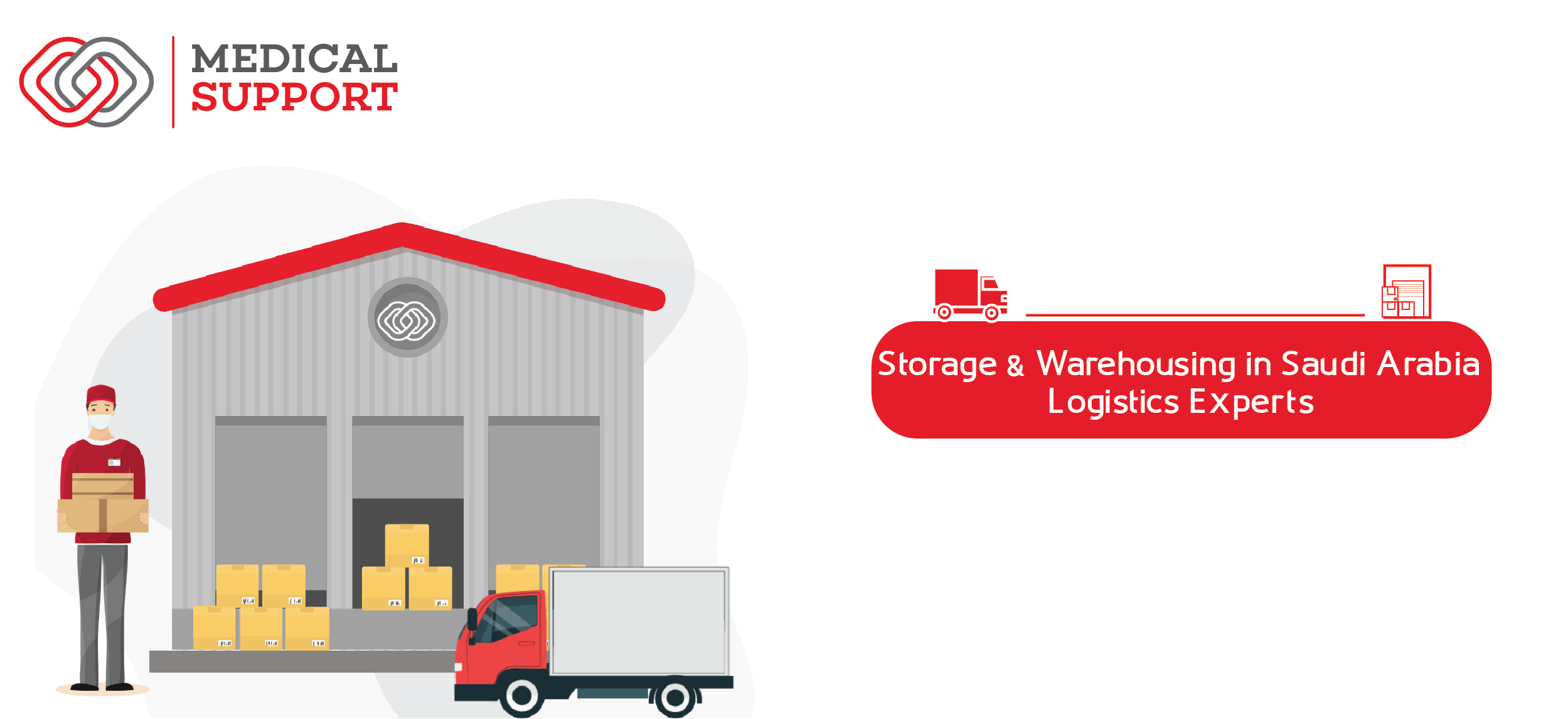
Storage & Warehousing in Saudi Arabia are critical for businesses operating, ensuring the safe handling, distribution, and compliance of goods with regulatory standards. The country’s strategic location makes it a key logistics hub, with growing investments in smart warehousing and supply chain solutions .In the following article, we review what you need to know about Storage & Warehousing in Saudi Arabia.

Introduction to Storage & Warehousing in Saudi Arabia

Storage & Warehousing in Saudi Arabia play a fundamental role in Saudi Arabia’s supply chain and logistics industry

Warehousing services in Saudi Arabia  are a vital component of the supply chain, enabling businesses to store, manage, and distribute goods efficiently. It is essential for ensuring smooth inventory management.

Different businesses rely on warehouses to store products securely before they reach their final destination. Typically located in industrial zones on city outskirts, warehouses help streamline inventory tracking, quality control, and product organization.

As Saudi Arabia continues to expand its logistics and storage, businesses must prioritize modern warehousing solutions to improve operational efficiency, reduce costs, and ensure seamless market access.

The Role of Warehousing in Saudi Arabia's Supply Chain

Warehousing services in Saudi Arabia are essential for ensuring smooth storage, handling, and distribution of goods across Saudi Arabia. It supports businesses by optimizing inventory management and improving supply chain Saudi Arabia efficiency, Key functions of warehousing include:  

  1.  Ensuring goods, especially pharmaceuticals, cosmetics, and food products, meet SFDA and SASO standards.  
  2. Facilitating faster and cost-effective distribution by strategically locating warehouses near ports, airports, and industrial hubs.
  3. Advanced warehouse solutions in Saudi Arabia ,minimize delays and improve logistics performance.

Key Warehousing Hubs: Riyadh, Jeddah, and Dammam

warehousing hubs in Saudi Arabia are located in Riyadh, Jeddah, and Dammam, serving as key distribution centers for both domestic and international trade.  

  • Warehousing in Jeddah

Jeddah warehousing solutions in the leading warehousing hubs in Saudi Arabia due to its strategic location, advanced infrastructure, and major ports. Most warehouses are in the Al-Khomra district, Jeddah warehouses offer dry storage, cold storage, and open yards, supporting various industries.  

  • Warehousing in Riyadh

Riyadh warehousing services is the second-largest Warehousing Hubs, with key districts like Al Sulay, Al Faisaliyah, and Al Azizyah. Riyadh warehouses provide dry and cold storage, open yards, and services like public warehousing, contract warehousing, and cross-docking.  

  • Warehousing in Dammam

Dammam storage facilities is a key logistics center, warehouses in Dammam offer general storage, temperature-controlled facilities, and industrial storage, making it an essential hub for trade and distribution in the Eastern Province.

Types of Warehousing Services in Saudi Arabia

 storage plays a crucial role in Saudi Arabia’s logistics sector, offering diverse solutions to meet business needs across various industries.

  1. Public Warehousing – Shared storage facilities available for multiple businesses, offering cost-effective solutions with flexible terms. 
  2. Private Warehousing – Storage spaces owned or leased by companies for exclusive use, providing greater control over inventory management. 
  3. cold storage Saudi Arabia – Temperature-controlled facilities designed for perishable goods like food, pharmaceuticals, and chemicals. 
  4. Bonded Warehousing – Secure storage for imported goods before customs clearance, allowing businesses to defer duties and taxes. 
  5. Distribution Centers – Warehouses optimized for rapid order fulfillment, ensuring efficient supply chain operations. 
  6. Cross-Docking Services – Facilities that facilitate direct transfer of goods from inbound to outbound transportation, minimizing storage time. 
  7. Industrial Warehousing – Large-scale storage for raw materials, machinery, and industrial equipment used in manufacturing and construction sectors. 

Cold Storage & Temperature-Controlled Solutions

Cold storage and temperature-controlled warehousing are essential for preserving perishable goods and maintaining product quality across various industries in Saudi Arabia. These solutions ensure optimal storage conditions for food, pharmaceuticals, chemicals, and other temperature-sensitive products.  

Key features of cold storage Saudi Arabia include:  

  1. Humidity Control: Advanced systems to regulate moisture levels and prevent product degradation. 
  2. Pharmaceutical & Medical Storage: Compliance with SFDA regulations to ensure the safe storage of vaccines, medicines, and other healthcare products.  
  3. Food & Beverage Storage: Specialized units designed to preserve dairy, meat, seafood, and other perishable food items.  

With growing demand for high-quality logistics solutions, cold storage facilities in Saudi Arabia continue to evolve, supporting industries that rely on precise temperature management to maintain product safety and regulatory compliance.

Warehousing for E-commerce & Retail Businesses

e-commerce warehousing Saudi Arabia involves the storage, organization, and distribution of products tailored for online retail businesses. Unlike other categories of warehousing, which often manages bulk shipments and long-term storage, e-commerce warehousing prioritizes:

  1.  processing a high number of individual customer orders
  2. fast order fulfillment
  3. flexible inventory management
  4. handling a larger volume of returns.

E-commerce warehousing typically handles a large number of individual customer orders, often containing just one or two items per order. Online retailers usually offer a wide range of across various product categories, leading to a highly diverse product mix within individual orders.

How Vision 2030 is Transforming Warehousing?

In line with Vision 2030, a range of innovative solutions have been introduced in the warehousing sector in Saudi Arabia, aiming to develop this sector and enhance the efficiency of logistics services. The most important of these solutions are:

  1. Cold Storage Solutions: Saudi Arabia has developed refrigerated warehouses for storing medicines and maintaining a cold supply chain.
  2. National Industrial Development and Logistics Program Initiative: This program enhances infrastructure and logistics services, positioning Saudi Arabia as a regional logistics hub.
  3. On-Demand Warehousing: Companies can rent temporary storage space to optimize costs and efficiently manage fluctuating demand.

These solutions have advanced warehousing services in Saudi Arabia, enhancing the logistics infrastructure.

Choosing the Right Warehousing Partner in Saudi Arabia

Selecting the right warehousing provider is crucial for efficient supply chain management. Businesses should evaluate key factors such as: 

location, storage capacity, technology integration, and compliance with local regulations.

A reliable partner like Medical Support Logistics Company should offer scalable solutions, advanced inventory tracking, and seamless logistics support to enhance operational efficiency and ensure timely deliveries.

Conclusion: Boost Your Logistics with Saudi Warehousing

Saudi Arabia’s warehousing sector is evolving rapidly, driven by Vision 2030 and growing demand for efficient logistics. By leveraging modern storage solutions, strategic locations, and advanced technologies, businesses can enhance supply chain efficiency and market reach. Choosing the right warehousing partner ensures seamless operations, cost savings, and long-term success in the region’s expanding economy.
Related Articles
How to Obtain a Cosmetics Warehouse License in Saudi Arabia
english

How to Obtain a Cosmetics Warehouse License in Saudi Arabia

To ensure the success and safety of cosmetic products, obtaining a Cosmetics Warehouse License from the Saudi Food and Drug Authority (SFDA) is essential. This license ensures that the warehouse adheres to the highest standards of quality and safety, contributing to the preservation of product integrity and customer trust. In this context, the warehouse's compliance with SFDA's health and regulatory standards is crucial. Through licensing, the warehouse demonstrates its commitment to providing safe and reliable products to consumers, reflecting professionalism and seriousness in the cosmetic industry. A Cosmetics Warehouse License enhances operational efficiency, improves inventory management, and reduces the risks of damage or spoilage. It allows companies to meet the increasing demand for cosmetic products and respond more effectively to market requirements. Ultimately, obtaining a warehouse license helps build customer trust and boosts the company's reputation in the market, laying the foundation for sustainable and successful growth in both the global and local cosmetics sectors. What is a Cosmetics Warehouse? A cosmetics warehouse is a commercial facility specifically designed to store and preserve cosmetic products in a safe and organized manner. These facilities play a vital role in the supply chain of the cosmetics industry, ensuring that products reach customers in the best possible condition. In a cosmetics warehouse, environmental conditions such as temperature and humidity are carefully controlled to protect products from damage or deterioration. Strict safety and security procedures ensure the protection of both the warehouse staff and the products themselves. Obtaining a license from the Saudi Food and Drug Authority is an essential step to operate a cosmetics warehouse, as it demonstrates adherence to both international and local standards for quality and safety. This license serves as confirmation of the warehouse's commitment to providing safe, high-quality beauty products to the market. Ghad Platform (System for Independent Cosmetic Warehouse or Space within a Licensed Cosmetic Warehouse): The Ghad system is an electronic platform that facilitates the process of obtaining a cosmetics warehouse license from the Saudi Food and Drug Authority (SFDA), making it a vital tool for anyone looking to enter the cosmetics market. Using the Ghad system, companies and local manufacturers can apply for licenses for cosmetic warehouses, whether by renting space in a licensed medical warehouse or establishing an independent cosmetics warehouse. The Ghad system provides a transparent and efficient regulatory environment, ensuring compliance with the highest standards of quality and safety in cosmetics storage and distribution, thus enhancing consumer and investor confidence in the Saudi healthcare market. Importance of Obtaining a Cosmetics Warehouse License Ensures Quality: A licensed cosmetics warehouse confirms continuous inspection and testing procedures, ensuring the delivery of high-quality cosmetic products. Consumer Safety: Licensed warehouses store and distribute products in a way that ensures they are free from harmful substances. Enhances Market Trust: A licensed medical warehouse contributes to building a strong reputation for the industry and brands in the local market. Ensures Legal Compliance: Compliance with regulations set by the SFDA ensures reduced legal risks. Supports Operational Efficiency: SFDA-licensed warehouses are equipped with systems and procedures that ensure effective storage and accurate distribution of cosmetic products. Effective Inventory Management: The presence of cosmetics warehouses contributes to effective and systematic inventory management, with precise tracking and management of stock movements. Steps for Obtaining a Cosmetics Warehouse License, Whether Independent or Rented Space: Determine the Type of License: Decide whether the license is for an independent warehouse or rented space within a licensed cosmetics warehouse. Study the Requirements: Study the specific requirements and standards set by the SFDA. Prepare the Warehouse: Ensure that the warehouse meets all storage, safety, and security requirements as per SFDA regulations. Gather Documentation: Prepare and compile all necessary documentation for the licensing process, including legal and technical records. Submit the Application: Submit the license application via the SFDA's electronic platform (Ghad system). Pay the Fees: Pay the required licensing fees to the SFDA. Inspection and Evaluation: Prepare for an inspection visit from SFDA inspectors to assess the warehouse’s compliance with the required standards. Obtain the License: After successful inspection and evaluation, the cosmetics warehouse license will be issued by the SFDA. Medical Support for Logistics Medical Support for Logistics stands out in providing warehouse licensing services in the healthcare and beauty sectors. With precision and quality at the forefront, MSCTis a leading provider of warehouse licensing services in the cosmetics market. Through its specialized registration team, MSCTnot only offers licensing services but also expands its offerings to include leasing services, providing flexible storage spaces that meet all needs, whether pallet-based or per square meter, including independent storage rooms. In this competitive environment, the effectiveness and safety of cosmetics storage are paramount. MSCTplays a vital role, relying on its in-depth understanding of legal procedures and licensing standards to provide storage spaces that comply with the strict requirements of the SFDA. With extensive experience, the company ensures full compliance with health standards and local laws, focusing on providing an ideal storage environment that ensures product quality and efficient distribution. MSCTunderstands that successful warehouse management requires more than just licensing. Therefore, the company offers in-depth consulting and advisory services to ensure professional warehouse management, reducing waste, managing inventory efficiently, and improving overall performance. By choosing Medical Support for Logistics as your partner, you not only ensure a partner who fully understands the importance of cosmetics warehouse licensing but also a partner who offers flexible solutions for leasing storage spaces that suit your unique needs, whether you need pallet-based storage, per square meter, or independent rooms. These services enhance your brand's credibility and strengthen your presence in the Saudi market, reaffirming your commitment to the highest standards of quality and safety.

Medical Device Registration and Licensing in Saudi Arabia
english

Medical Device Registration and Licensing in Saudi Arabia

To ensure the safe and efficient marketing of medical devices in the Kingdom of Saudi Arabia, manufacturers and importers are required to apply for a Medical Device Marketing Authorization (MDMA) certificate from the Saudi Food and Drug Authority (SFDA) before starting importation and distribution. The SFDA plays a crucial role as the regulatory authority responsible for ensuring the safety, effectiveness, and quality of medical devices in the market, relying on international standards to evaluate and register these devices. In this article, we will discuss in detail the steps for registering a medical device in Saudi Arabia and review the technical and administrative requirements for registering medical supplies and equipment, including post-market surveillance conducted by the SFDA to ensure continued compliance with the established standards. Step 1: Licensing: Before beginning the registration process, companies must obtain a facility license from the SFDA, granting them the right to import and market their products in the Saudi market. This license ensures that the company adheres to the required safety and quality standards. Step 2: Legal Representative Registration Before registering a medical device with the SFDA, it is essential for manufacturers of medical devices to appoint an authorized legal representative in the Kingdom of Saudi Arabia. This representative holds significant responsibility, being accountable to the SFDA for ensuring the safety, effectiveness, and quality of the medical devices marketed. They are also responsible for ensuring compliance with the regulations for marketing medical devices and reporting any usage errors or potential risks related to the devices. To appoint the legal representative, manufacturers can choose their local distributor as their representative or opt for an independent consulting firm with expertise and specialization in regulatory compliance. Step 3: Medical Device Registration After obtaining the facility license, companies can begin the process of registering their medical products with the SFDA. This registration requires providing detailed information about each product, including ingredients, intended uses, and proof of safety and efficacy. Step 4: Requirements and Standards Registered products must comply with the standards and regulations set by the medical devices and supplies system, which ensures that the products meet health and quality specifications. These products must undergo rigorous testing to confirm their safety and efficacy before entering the market. Step 5: Monitoring and Tracking After product registration, the SFDA conducts periodic surveillance to ensure continuous adherence to approved standards, tracking batches and reviewing complaints and reports from consumers and professionals. Conclusion Registering a medical device with the SFDA is not just a regulatory procedure but a critical step in ensuring the availability of safe and effective products in the Kingdom of Saudi Arabia. It reflects the company's commitment to quality and responsibility toward customer health and safety. Ghad Electronic Platform (Medical Device Registration System) Within the Saudi market, the Ghad system (ghad) stands out as a comprehensive electronic platform dedicated to registering and managing medical devices and supplies, from obtaining work licenses to distribution. This system enables Saudi companies and manufacturers to obtain the necessary licenses for activities related to the trade, import, and distribution of medical devices and supplies, facilitating the efficient and effective entry of these products into the Saudi market. The Ghad system is a strategic step toward organizing and simplifying the trade of medical devices and supplies within the Kingdom, as it requires manufacturers and importers to register in this system to ensure their products comply with the defined standards and regulations. Through this platform, companies can not only register their products but also renew licenses, apply for changes and updates needed for their products, ensuring continuous compliance with the applicable laws and standards. The SFDA plays a key role in this process, reflecting its commitment to ensuring the quality and safety of medical devices and supplies traded in the Saudi market. In conclusion, the Ghad system represents a vital meeting point between regulatory authorities and commercial entities, providing a clear legal framework for marketing and distributing medical devices and supplies in Saudi Arabia, ensuring consumer expectations of quality and safety are met. Medical Device Registration To register medical devices in Saudi Arabia, companies must apply for a Medical Device Marketing Authorization (MDMA) from the Saudi Food and Drug Authority. This procedure is mandatory for all medical devices, regardless of their risk level. Notably, applying for marketing authorization requires first obtaining a certificate of legal representation, confirming the appointment of an authorized legal representative in the Kingdom, before submitting the official application for medical device marketing authorization. Medical Device Registration Requirements The registration requirements for medical devices depend on the type of device, its risk level, and intended use. Compliance with these requirements does not automatically guarantee approval from the SFDA. Inaccurate submission of files or unscientific responses to the SFDA's inquiries may lead to registration rejection, even for globally recognized products. This means that registration fees paid to the SFDA may be lost. Below is a list of the essential requirements for medical device registration: Product Card : A detailed document displaying information about the medical device. Conformity Declaration : From the manufacturer, confirming the device complies with legal and technical standards. Instructions for Use (IFU) : A user manual providing instructions on how to safely use the device. Brochures/Marketing Materials : Providing information about the device. Registered Authority Name and Number : Registration details with other regulatory bodies. CE Certificate : Proving the device complies with EU safety, health, and environmental requirements. Quality Management System (QMS) : Must be compliant with ISO 13485 standards. Audit Report : Includes audit results confirming the company's adherence to quality standards. Specific Data Forms : From the SFDA. Environmental Statement and Marketing Authorization Statement . Technical File for Medical Device A technical file for a medical device is a comprehensive document containing all detailed information about the device. It includes: Table of Contents : Provides a quick overview of the technical file's content. Clinical Evaluation Report (CER) : Summarizes the results of the device's clinical evaluation, including a review of relevant medical literature and clinical studies. Biological Evaluation Reports : A thorough analysis of the device's biological impact, including biocompatibility test results. Post-Market Surveillance Plan and Report (PMS) : Documents activities and results related to monitoring the device after marketing. Post-Market Clinical Follow-Up (PMCF) Plan and Report : Provides analysis of clinical data collected after the device is launched in the market. Risk Management File (RMF) : Identifies potential risks associated with the device and outlines mitigation measures. Risk Classification Standards/Rules and Rationale : Highlights how the device is classified based on the identified risk levels and the rationale for this classification. The SFDA may request additional information or documents to complete the registration process, depending on the evaluation of the technical file provided. Success in registering medical devices with the SFDA requires transparency and accuracy in submitting the necessary files and documents. A vital factor is the ability to provide scientifically sound and documented responses to the SFDA's inquiries. This reflects the company's understanding of regulatory requirements and the quality and safety of the medical device presented. Therefore, transparency in the process, along with accuracy and attention to detail in preparing and submitting documents, forms the foundation for successful and effective registration of medical devices. Companies that follow these standards demonstrate their commitment to international quality and safety standards, facilitating the review and evaluation process by the SFDA and reducing the likelihood of rejection or repeated requests for additional data or clarification. Services of Medical Support Logistics Company Medical Support Logistics Company stands out as a leader in registering medical products, devices, and supplies with the Saudi Food and Drug Authority (SFDA). The company's registration team, made up of highly experienced professionals holding pharmacy degrees, provides exceptional support in navigating strict regulatory requirements, ensuring compliance with health and legal standards. Medical Support Company does not limit its services to registration alone but extends to offering diverse storage solutions. The company provides pallet storage or self-storage within SFDA-licensed facilities, catering to the needs of various medical traders and companies. Additionally, Medical Support Company offers specialized services for e-commerce stores, including automated integration with platforms like Salla and Zed, making it easier for clients to manage inventory and orders efficiently. The storage contracts provided by Medical Support Company perfectly meet traders' needs, offering flexibility and security in logistics services. With its presence in key locations like Riyadh, Jeddah, Dammam, and Khobar, the company ensures comprehensive coverage and the ability to deliver to all regions of the Kingdom, enhancing the efficiency and effectiveness of the medical product supply chain. Ultimately, Medical Support Company stands as a strategic partner in the healthcare sector, offering clients high-level registration and storage services with professionalism and compliance, while providing logistics solutions that are accurate and efficient to support their diverse business needs in the Saudi market.

Need a similar logistics solution?

Contact MSCT team to get a quote tailored to your exact requirements.

Continue Exploring